Compliance
Smart tachograph rules now reach more international vans
From 1 July 2026, many goods vehicles over 2.5 tonnes used internationally for hire or reward need a full Smart Tachograph 2.
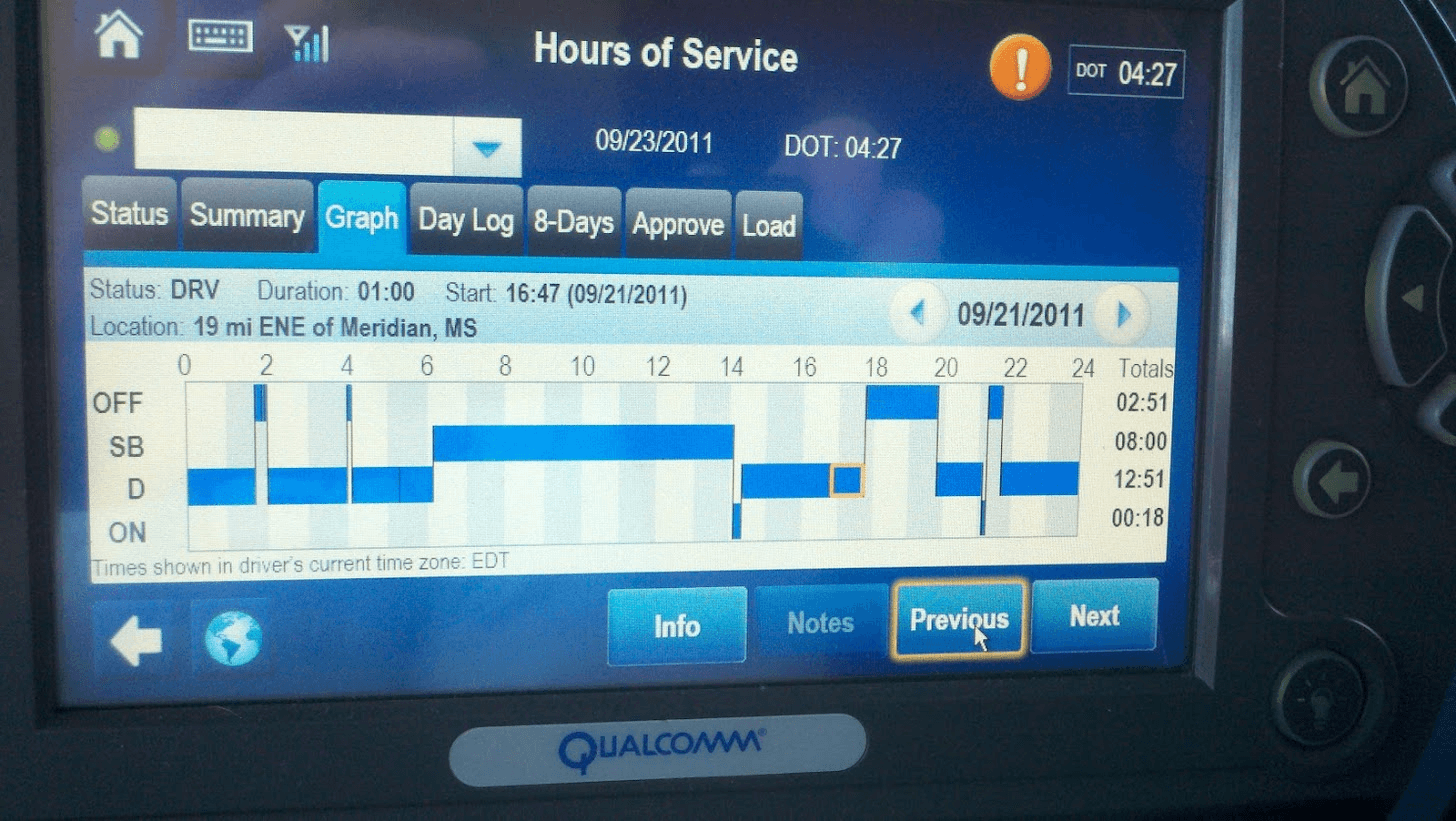
The boundary between van work and regulated international goods transport changed on 1 July 2026. Weight, journey type and the purpose of the work now need to be checked together.
What changed
A full Smart Tachograph 2 is required in goods vehicles over 2.5 tonnes used on international journeys for hire or reward. The rules bring many vans and light goods vehicles between 2.5 and 3.5 tonnes into tachograph and assimilated drivers' hours requirements for the first time.
Vehicles used only in the UK are treated differently and are not brought into tachograph scope by this international rule alone.
Important exceptions
An own-account journey may be exempt when driving is not the driver's main activity. Non-commercial carriage can also fall outside the rule. Operators should test the actual work against the official definitions rather than relying on the vehicle being described as a van.
Before an international booking
Check the plated maximum mass including any trailer, confirm whether the movement is for hire or reward and establish which drivers' hours regime applies.
That decision should be made before the vehicle and driver are allocated. Installation, calibration, card use and record downloads all need enough lead time; they are not details that can be corrected once an international journey is already under way.
- Confirm the vehicle has a full Smart Tachograph 2
- Issue the right driver card and operating instructions
- Plan download, record-retention and infringement reviews