Maintenance
Roadworthiness: building a maintenance system that works
The 2025 DVSA guide brings legal duties, inspections, defect reporting and maintenance records into one operating system.
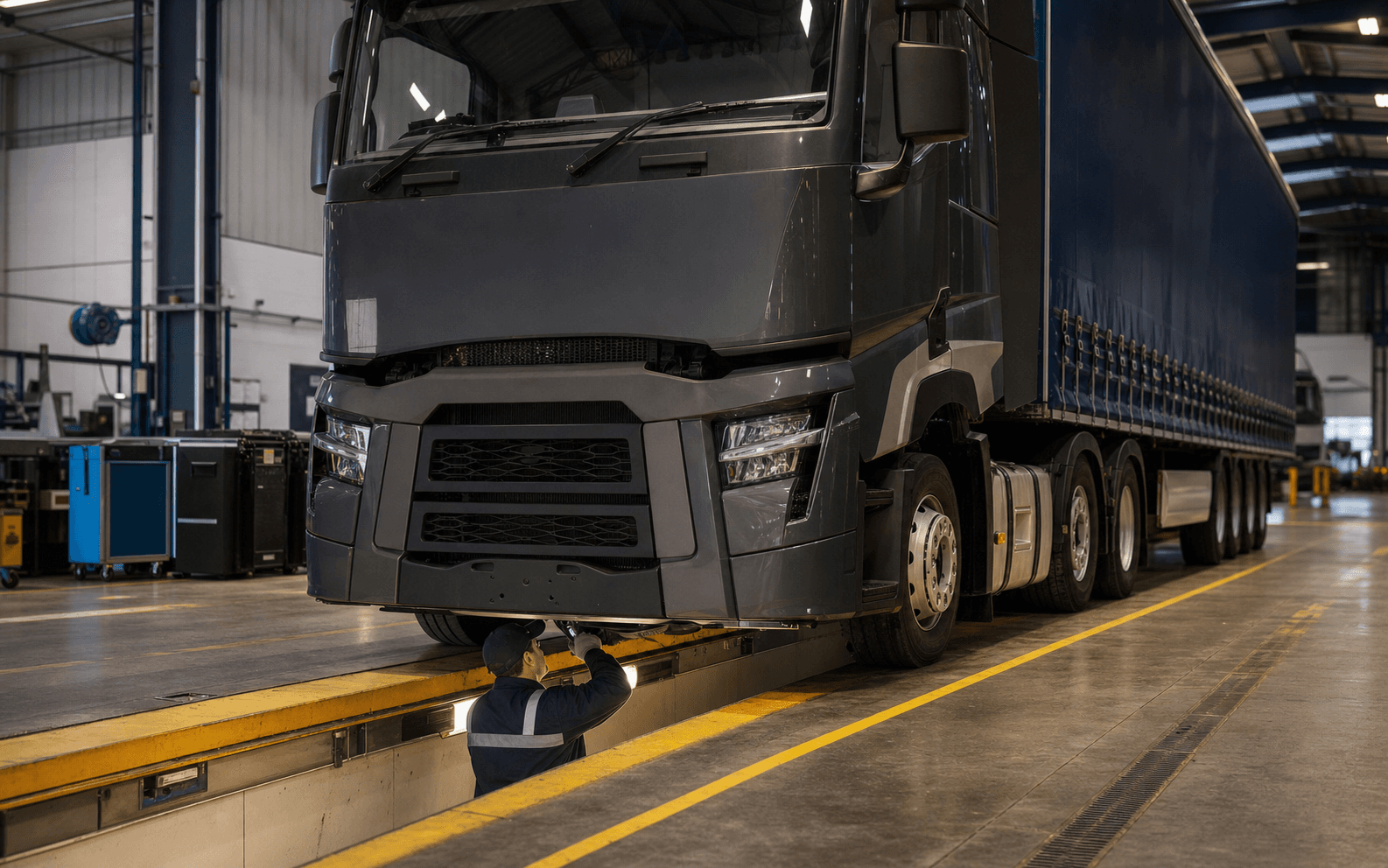
Roadworthiness depends on connected routines rather than one annual test. Daily checks, planned safety inspections, effective repairs and management review all need to support one another.
Start with clear responsibility
Operators remain responsible for the condition of vehicles and trailers they use, including hired equipment and maintenance work carried out by external providers. Drivers, transport managers and workshops need a clear route for reporting, authorising and closing defects.
The guide distinguishes direct legal requirements, described as things operators must do, from recommended good practice, described as things they should do unless an equally effective alternative is in place.
Set inspection intervals from evidence
Safety-inspection frequency should reflect vehicle age, mileage, operating environment and the type of work. Arduous conditions or recurring defects may justify additional checks or shorter intervals rather than waiting for the original schedule to fail.
Use records to improve the system
Complete records should show what was checked, what was found, who made the repair and when the vehicle returned to service. Reviewing those records helps identify repeat defects and whether the maintenance plan remains suitable.
The value comes from closing the loop. A defect report, workshop instruction and signed completion record should tell one continuous story, giving management enough evidence to challenge recurring failures and adjust the maintenance system when operating conditions change.
- Track driver reports through to signed repair completion
- Review inspection intervals when use or condition changes
- Include trailers, hired vehicles and outsourced work in audits